
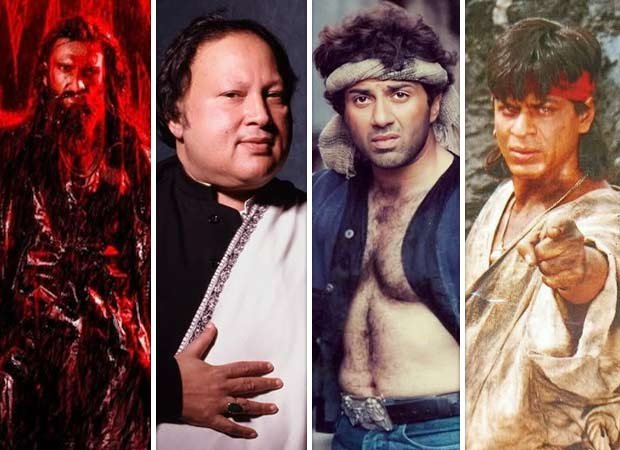
The magic of Nusrat Fateh Ali Khan is once again captivating Hindi cinema lovers. With the release of Dhurandhar The Revenge, audiences are reconnecting with the soul-stirring power of his music. The film revives iconic compositions like “Jaan Se Guzarte Hain” and “Man Atkeya Beparwah De Naal”, bringing Nusrat saab’s timeless artistry back into the spotlight.
For Indian audiences searching Nusrat Fateh Ali Khan songs, Bollywood qawwali classics, and iconic Hindi film music, this revival is a reminder of a golden era that continues to influence modern soundtracks.
Dhurandhar Reignites a Musical Legacy
The buzz around Dhurandhar The Revenge proves one thing—Nusrat saab’s voice remains unmatched. His compositions carry deep emotional intensity, spiritual depth, and a unique fusion of classical and contemporary elements. Even decades later, his music resonates with new generations discovering Bollywood classics on streaming platforms.
The ‘Saanson Ki Mala’ Phenomenon in Bollywood
One of Nusrat Fateh Ali Khan’s most iconic creations, “Saanson Ki Mala”, holds a special place in Hindi cinema history. The track gained massive recognition when featured in Koyla, starring Shah Rukh Khan and Madhuri Dixit.
Released on April 18, 1997, Koyla transformed the composition into a haunting cinematic experience. Even today, it stands out as one of the most memorable songs in Bollywood’s musical archive.
Before Koyla: Sunny Deol’s Jeet Used It First
Interestingly, Koyla wasn’t the first film to bring “Saanson Ki Mala” to the big screen. Just nine months earlier, the song appeared in Jeet, featuring Sunny Deol, Karisma Kapoor, and Salman Khan.
While Jeet introduced the composition to mainstream audiences, Koyla elevated it into a cultural phenomenon. This rare instance of the same song appearing in two major films within a short span highlights its unmatched popularity.
Nusrat Saab’s Growing Influence in India
By the mid-90s, Nusrat Fateh Ali Khan had already built a massive fan base in India. His globally loved track “Afreen Afreen” from the album Sangam (1996) further cemented his legacy among Indian listeners.
He also contributed directly to Bollywood by composing music for films like Aur Pyaar Ho Gaya and Kachchhe Dhaage. Additionally, his voice made “Dulhe Ka Sehra” from Dhadkan a cult wedding anthem.
The Credit Debate: Then vs Now
In the 90s, it was common for recreated tracks to be used without proper credit. Both Jeet and Koyla featured versions of “Saanson Ki Mala” without officially acknowledging Nusrat saab.
However, times have changed. When the song was recreated again in Yaariyan 2, the legendary artist finally received due credit—reflecting a more respectful and transparent music industry.
Why Nusrat’s Music Still Resonates
Nusrat Fateh Ali Khan’s compositions go beyond entertainment. They evoke emotion, spirituality, and cultural depth—qualities that remain rare in modern music. His fusion of qawwali, classical, and contemporary styles continues to inspire composers and filmmakers alike.
Keywords like Nusrat Fateh Ali Khan Bollywood songs, Saanson Ki Mala history, and classic Hindi film music continue trending among Indian audiences.
Final Thoughts
The resurgence of Nusrat Fateh Ali Khan’s music through Dhurandhar The Revenge proves that true artistry never fades. From Jeet to Koyla and beyond, his melodies have shaped Bollywood’s musical journey and continue to influence it today. The source of this news is Bollywood Hungama.
For more Bollywood nostalgia, celebrity news, and trending entertainment updates, stay connected with BollywoodDNA.com.